
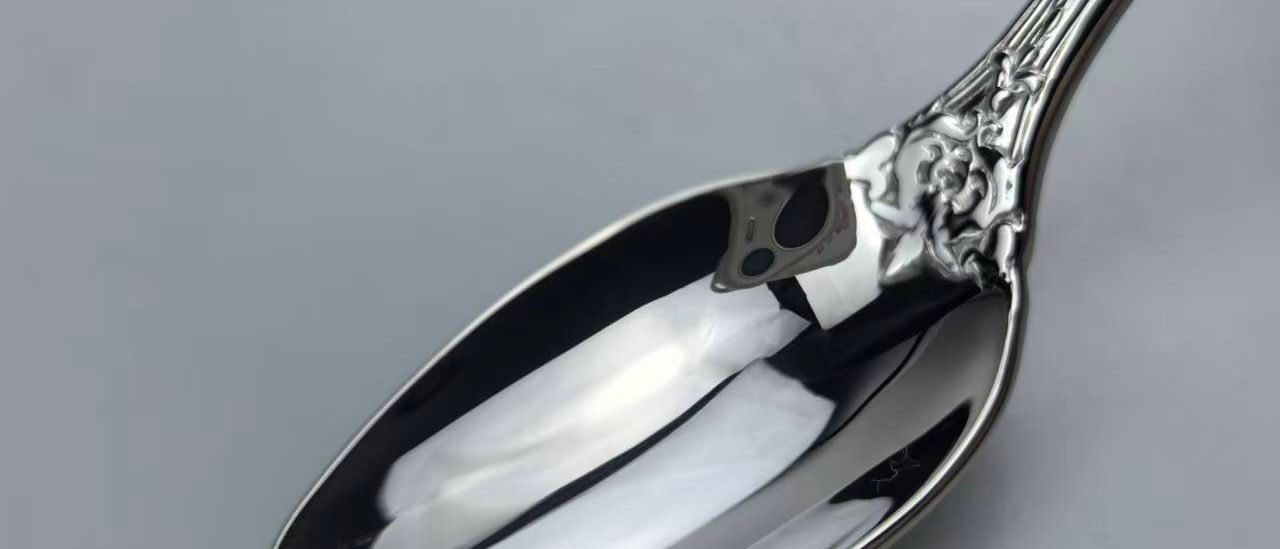
Why is Cutlery Made of Stainless Steel? Benefits Explained
Discover why stainless steel is the material of choice for cutlery. Learn about durability, corrosion resistance, hygiene benefits, and why it outperforms other materials in dining settings.
Introduction: The Science Behind Your Dining Utensils
When you sit down to enjoy a meal, the fork, knife, and spoon in your hand are likely made of stainless steel. But have you ever wondered why is cutlery made of stainless steel instead of other materials? This question matters whether you are a hotel manager sourcing dining equipment, a restaurant owner planning your kitchen, or a retailer selecting inventory.
Stainless steel has become the dominant material for cutlery worldwide, and for good reasons. From corrosion resistance to hygiene benefits, this alloy offers advantages that other materials simply cannot match. As a professional flatware manufacturer, Glophee has spent decades perfecting stainless steel cutlery for homes, hotels, and restaurants.
What is Stainless Steel?
Stainless steel is an iron-based alloy containing at least 10.5% chromium. This chromium content is the key to its remarkable properties. When exposed to oxygen, chromium forms a thin, invisible layer of chromium oxide on the surface. This passive layer acts as a protective shield against rust and corrosion.
Different grades of stainless steel offer varying levels of corrosion resistance and durability:
- 18/10 Stainless Steel: Contains 18% chromium and 10% nickel for maximum corrosion resistance and shine
- 18/0 Stainless Steel: Contains 18% chromium but no nickel, offering good corrosion resistance at a lower cost
- 304 Stainless Steel: The most common grade for food-grade cutlery, excellent corrosion resistance
- 316 Stainless Steel: Superior corrosion resistance, ideal for marine or harsh environments
Key Benefits of Stainless Steel Cutlery
1. Exceptional Durability
Stainless steel cutlery is built to last. Unlike wooden utensils that can splinter or plastic items that can melt, stainless steel handles daily use without deteriorating. A quality stainless steel flatware set can serve for decades with proper care, making it a cost-effective choice for both home and commercial use.
2. Corrosion Resistance
The chromium oxide layer provides outstanding protection against rust and stains. This is particularly important in dining environments where cutlery is exposed to moisture, acids from food, and repeated washing. Even in commercial dishwashers with harsh detergents, stainless steel maintains its appearance and integrity.
3. Hygiene and Food Safety
Stainless steel is non-porous, meaning it does not absorb liquids or harbor bacteria. This makes it significantly more hygienic than wood or certain plastics. The smooth surface is easy to clean and sanitize, which is why hospitals, hotels, and professional kitchens prefer stainless steel cutlery.
4. Low Maintenance
Unlike silver-plated cutlery that requires regular polishing, stainless steel is virtually maintenance-free. It does not tarnish, discolor, or require special cleaning solutions. Simply washing with mild detergent and water keeps it looking new.
5. Aesthetic Appeal
Stainless steel offers a timeless, professional appearance that complements any table setting. From casual dining to fine restaurants, its neutral shine adapts to various decor styles. Modern manufacturing techniques also allow for diverse designs, from classic patterns to contemporary minimalist styles.
6. Temperature Resistance
Stainless steel performs well in both hot and cold environments. It does not warp or degrade with temperature changes, making it suitable for serving both hot soups and cold desserts without concern.
Stainless Steel vs Other Materials
Stainless Steel vs Carbon Steel
Carbon steel knives can hold a sharper edge but are prone to rust without careful maintenance. Chefs often prefer carbon steel for cutting tasks, but stainless steel is superior for general dining cutlery where durability and corrosion resistance matter more than edge retention.
Stainless Steel vs Plastic
While plastic utensils are inexpensive and disposable, they cannot match the durability, aesthetic quality, or environmental friendliness of stainless steel. Plastic can warp with heat and may contain harmful chemicals, making stainless steel the healthier, more sustainable choice.
Stainless Steel vs Wood
Wooden utensils have traditional appeal but harbor bacteria in surface cracks and require more maintenance. Stainless steel offers superior hygiene and longevity, though some cooks prefer wood for specific tasks like stirring sensitive cookware.
Understanding Steel Grades for Cutlery
Not all stainless steel is equal. The grade determines the alloy composition and performance characteristics. For cutlery applications:
- 18/10 (304 grade): Premium choice for fine dining, maximum shine and corrosion resistance
- 18/8 (304 variant): Similar quality to 18/10, excellent for everyday use
- 18/0 (430 grade): Magnetic stainless steel, good for酒楼 environments, dishwasher safe
Higher chromium content provides better corrosion resistance, while nickel adds luster and further protection. For commercial food service, 18/10 or 18/8 stainless steel offers the best balance of quality and durability.
Caring for Stainless Steel Cutlery
To maximize the lifespan of your stainless steel cutlery:
- Wash promptly after use to prevent food deposits from drying
- Use mild detergent and warm water; avoid abrasive cleaners
- Remove calcium deposits in hard water areas with vinegar solution
- Store in a dry environment to prevent moisture accumulation
- For commercial settings, follow proper dishwashing protocols
Common Questions About Stainless Steel Cutlery
Q: Can stainless steel cutlery cause metal taste?
A: Quality 304 or 316 stainless steel is food-safe and should not impart metallic taste to food. Any taste issues typically result from mineral deposits or inadequate cleaning.
Q: Is stainless steel cutlery environmentally friendly?
A: Yes, stainless steel is 100% recyclable and can be repurposed indefinitely without quality loss, making it a sustainable choice compared to disposable options.
Q: Does stainless steel cutlery rust?
A: While stainless steel is highly resistant to rust, prolonged exposure to harsh conditions or chlorine can cause pitting or surface rust. Proper care prevents these issues.
Conclusion: The Clear Choice for Quality Cutlery
The answer to why cutlery is made of stainless steel comes down to performance, practicality, and value. This remarkable material offers unmatched durability, hygiene, and ease of maintenance for dining settings ranging from home kitchens to luxury hotels.
Whether you are selecting cutlery for a new restaurant, stocking a hotel pantry, or sourcing products for retail, stainless steel remains the intelligent investment. Its combination of corrosion resistance, aesthetic appeal, and longevity delivers exceptional return over time.
Ready to explore quality stainless steel cutlery options? Browse Glophee flatware collections featuring 18/10 and 304 stainless steel for professional and home use.