
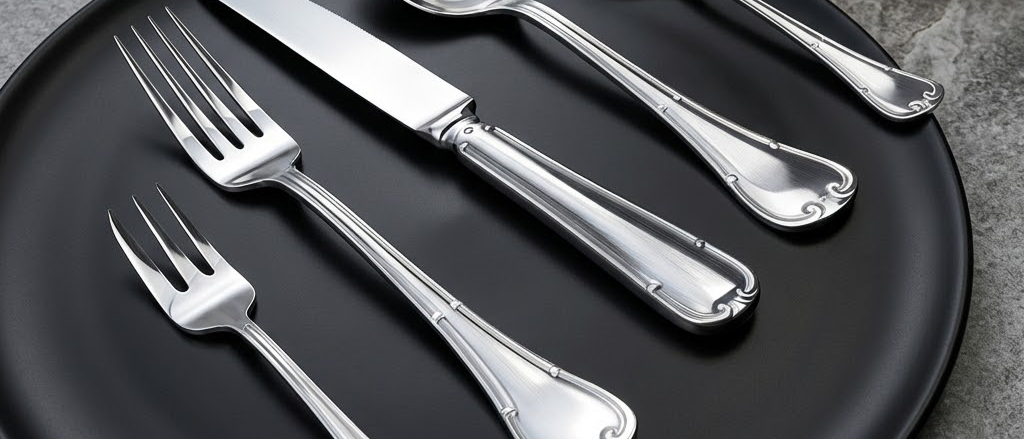
Food-Grade Stainless Steel Explained: Don't Fall for Misleading Sales Tactics
Learn what food-grade actually means for stainless steel. Discover common misleading sales tactics and how to identify genuinely safe stainless steel products for your kitchen.
Walk into any kitchenware store or browse online marketplaces, and you will likely encounter products marketed as food-grade stainless steel. But what does this actually mean? Unfortunately, misleading sales tactics have made this term increasingly confusing for consumers. At Glophee, we are committed to providing our customers with high-quality stainless steel products that meet genuine food-grade standards, and we believe you deserve transparency when making purchasing decisions.
What Does Food-Grade Actually Mean?
The term food-grade stainless steel refers to steel that is safe for direct contact with food. In the United States, the FDA regulates materials that come into contact with food, and stainless steel must meet specific criteria to be considered food-grade. The key is understanding which steel grades are genuinely safe for kitchen use.
For stainless steel to be considered food-grade, it typically needs to contain at least 16% chromium, which provides the corrosion resistance necessary to prevent metal leaching into food. Grades like 304 (18/8) and 316 (18/10) are the most commonly recognized food-grade stainless steel options, containing chromium and nickel for enhanced durability and corrosion resistance.
Common Misleading Sales Tactics to Watch For
1. Surgical Steel Claims
You have probably seen products marketed as surgical steel. While this sounds impressive, it is largely a marketing buzzword with no standardized definition. Surgical steel is simply a term used to describe stainless steel that is corrosion-resistant and hypoallergenic, but it does not guarantee food-grade safety. Many products labeled as surgical steel are actually made from lower-grade materials that may not be suitable for food contact.
2. Magnetic Stainless Steel Claims
Some salespeople claim that magnetic stainless steel is automatically safer or higher quality. This is misleading. The magnetic properties of stainless steel depend on its microstructure, not its safety. Ferritic stainless steels (like 430) are magnetic but generally not considered food-grade because they lack the nickel content that provides superior corrosion resistance.
3. Premium Quality Without Specifications
Be wary of products that claim to be premium quality or restaurant-grade without providing specific steel grades or certifications. Legitimate food-grade stainless steel products will clearly state their grade, such as 304 or 316, along with their composition. At Glophee, we provide detailed specifications for all our stainless steel products, so you know exactly what you are purchasing.
4. Thickness Equals Quality Fallacy
More thickness does not always mean better quality or greater safety. The food safety of stainless steel depends primarily on its grade and composition, not its thickness. A thin piece of 316 stainless steel is still safer for food contact than a thick piece of lower-grade steel.
How to Identify Genuine Food-Grade Stainless Steel
Understanding steel grades is the most reliable way to ensure you are purchasing genuine food-grade products. Look for these specific grades: 304 Stainless Steel (18/8) contains 18% chromium and 8% nickel and is the most common food-grade steel used in commercial kitchens worldwide. 316 Stainless Steel (18/10) contains 18% chromium and 10% nickel with added molybdenum for superior corrosion resistance, ideal for coastal environments and highly acidic foods. 201 Stainless Steel is a lower-cost alternative with less nickel content, not considered true food-grade and may be more prone to rust and corrosion over time. Always check for clearly marked steel grades on product packaging or descriptions. Reputable manufacturers like Glophee ensure our stainless steel products are clearly labeled with their grade and composition, taking the guesswork out of your purchasing decisions.
The Risks of Non-Food-Grade Stainless Steel
Using non-food-grade stainless steel can pose several health risks. Lower-grade steels may leach metals into your food, particularly when cooking acidic dishes or when the cookware becomes scratched or worn. Chromium and nickel allergies are also a concern with lower-quality steels that do not meet proper standards. Additionally, non-food-grade stainless steel is more susceptible to corrosion and pitting, creating pockets where bacteria can grow and thrive, compromising food safety and shortening the lifespan of your cookware and cutlery.
Making Informed Purchasing Decisions
Do not be fooled by clever marketing. When shopping for stainless steel cookware and cutlery, always look for specific grade information. Ask questions about the steel composition before purchasing. Choose suppliers like Glophee who prioritize transparency and provide clear specifications for all their products. At Glophee, we dedicate ourselves to offering our customers high-quality stainless steel tableware that meets or exceeds food safety standards. Our products undergo rigorous quality testing to ensure they are safe for everyday food contact.
Conclusion
The term food-grade should mean something, but misleading sales tactics have complicated consumer understanding. By learning to recognize genuine food-grade steel grades and questioning vague marketing claims, you can make informed decisions that protect your family health. Trust Glophee for stainless steel products that genuinely meet food-grade standards, with transparent quality you can verify.