
What Do 18/8, 18/10 and 18/0 Mean on Stainless Steel Cutlery?
Decoding stainless steel markings: Understand what 18/8, 18/10, and 18/0 mean, how they affect cutlery quality and durability, and which grade is best for everyday use.
Why Do Stainless Steel Cutlery Have Numbers Stamped on Them?
If you have ever picked up a piece of stainless steel cutlery and noticed small numbers like 18/8, 18/10, or 18/0 stamped on the handle, you might have wondered what they mean. These numbers are not random — they tell you exactly what the cutlery is made of, and they directly affect its quality, durability, and resistance to rust.
In this guide, we will break down what these markings mean, how they compare, and how to choose the right grade for your needs. Whether you are buying cutlery for a hotel, a restaurant, or your home, understanding these numbers will help you make a much smarter purchase decision.
What Do the Numbers 18/8, 18/10 and 18/0 Actually Mean?
These numbers follow a simple format: 18/X. The first number (18) refers to the percentage of chromium in the steel. The second number refers to the percentage of nickel.
- 18/8 = 18% chromium + 8% nickel
- 18/10 = 18% chromium + 10% nickel
- 18/0 = 18% chromium + 0% nickel
Chromium gives stainless steel its signature corrosion resistance — the higher the chromium, the better the steel can resist rust and staining. Nickel, on the other hand, enhances shine, smoothness, and overall durability. Nickel also improves the steel's resistance to acids and alkalis found in food.
Together, these two elements define what is known as the 300-series austenitic stainless steel, which is the gold standard for food-contact stainless steel products worldwide.
18/8 vs 18/10 vs 18/0: Key Differences
18/10 Stainless Steel
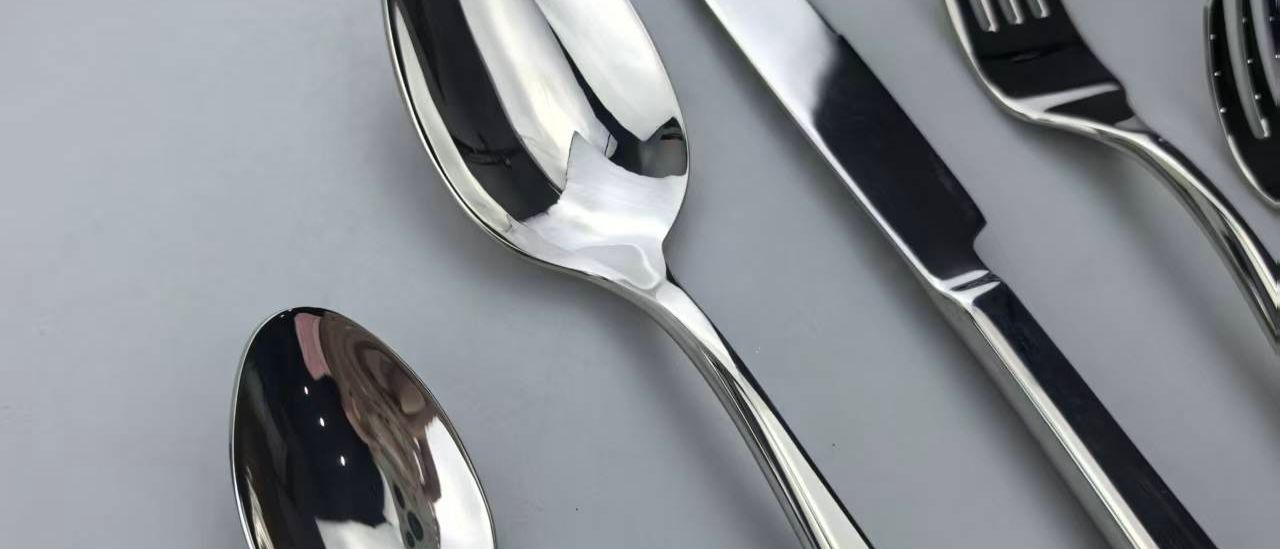
This is the highest quality among the three grades commonly found in cutlery. The 10% nickel content gives it a bright, mirror-like finish and excellent resistance to corrosion and rust, even after years of use in commercial settings like hotels and restaurants. 18/10 stainless steel is often referred to as 304 stainless steel in international grade notation.
Cutlery made from 18/10 is highly durable, non-reactive with food, and maintains its shine over time. It is the preferred choice for fine dining establishments and premium household cutlery.
18/8 Stainless Steel
18/8 is very close to 18/10 in quality and performance. The 8% nickel content still provides excellent corrosion resistance and a good shine. It is commonly used in mid-to-premium cutlery and is sometimes labeled as 304A or simply 304-grade stainless steel.
The difference between 18/8 and 18/10 is subtle in everyday use — both are high-quality, food-safe grades. The 18/10 simply has a slight edge in long-term corrosion resistance and aesthetic finish.
18/0 Stainless Steel
18/0 is the entry-level stainless steel grade in this comparison. It contains chromium for basic corrosion resistance but has no nickel. As a result, it is more prone to surface scratching, dulling, and mild rusting over time, especially when exposed to acidic foods or moisture.
However, 18/0 is not all downside — it is typically more affordable and is widely used in budget-friendly cutlery sets, canteens, and everyday household flatware that gets heavy use. It is also magnetic, which can be useful in certain settings like catering halls with magnetic knife racks.
Which Grade Is Best for Daily Cutlery?
For most everyday dining purposes, 18/10 or 18/8 stainless steel cutlery is the best choice. Here is a quick comparison:
- 18/10: Best overall — superior shine, excellent rust resistance, durable long-term. Ideal for hotels, restaurants, and families who want premium cutlery that lasts.
- 18/8: Excellent choice — very close to 18/10 in performance. Great value for quality ratio.
- 18/0: Budget-friendly option — suitable for casual use, student dorms, or high-volume settings where cost is the primary concern.
If you are outfitting a hospitality business or want cutlery that will look great for years to come, invest in 18/10 (304 stainless steel) cutlery. If you are buying in bulk for a large institution and budget is a concern, 18/0 can still serve well with proper care.
Do Higher Numbers Always Mean Better Quality?
Not exactly, but they do indicate better corrosion resistance and a more lustrous finish. The numbers specifically refer to chromium and nickel content:
- A higher nickel percentage generally means better shine and slightly better acid resistance.
- A higher chromium percentage means better overall corrosion resistance.
However, there are other factors that affect cutlery quality beyond the steel grade, including:
- Manufacturing process: Forged vs. stamped — forged cutlery is typically heavier and more durable.
- Surface polishing: Mirror-polished cutlery tends to be smoother and more resistant to microscopic pits where bacteria can hide.
- Handle design and balance: A well-balanced fork or knife feels better in the hand regardless of the steel grade.
So while 18/10 is objectively better in terms of material quality, always consider the whole product — not just the numbers stamped on it.
How to Identify Stainless Steel Grade at Home
If you have cutlery at home and want to verify its grade, here are a few practical tips:
- Check for a stamp or laser marking: Most quality cutlery has the grade stamped on the handle, often near the bolster or on the underside.
- Use a magnet: 18/10 and 18/8 (austenitic steel) are generally non-magnetic or weakly magnetic. 18/0 (ferritic steel) is strongly magnetic. If a magnet sticks strongly, it is likely 18/0 or a lower-grade steel.
- Observe the finish: Higher nickel content typically produces a brighter, more mirror-like surface. Dull or slightly greyish cutlery is often 18/0 or a lower grade.
- Watch for rust spots: If rust appears after brief exposure to moisture or acidic food, the cutlery is likely a lower-grade stainless steel.
Common Questions
Q: Is 18/10 stainless steel safe for food?
A: Yes. 18/10 (also known as 304 stainless steel) is one of the most widely used food-grade metals in the world. It is non-reactive, non-toxic, and safe for contact with all types of food.
Q: Will 18/0 stainless steel cutlery rust?
A: 18/0 has less corrosion resistance than 18/8 or 18/10 due to the absence of nickel. Over time and with exposure to moisture or acidic foods, it can develop light rust spots or surface pitting. Regular drying and hand washing can extend its lifespan significantly.
Q: What is the best grade for restaurant use?
A: Most professional kitchens and hotels choose 18/10 or 18/8 stainless steel cutlery for its durability, rust resistance, and ease of maintenance. It can withstand commercial dishwasher cycles without losing its shine.
Q: Does higher nickel content make cutlery heavier?
A: Not significantly. The weight difference between 18/8 and 18/10 cutlery of the same design is negligible. The primary difference is in corrosion resistance and finish quality.
Conclusion
Understanding stainless steel markings like 18/8, 18/10, and 18/0 empowers you to make smarter purchasing decisions. These numbers represent the chromium and nickel content in the steel, which directly influence corrosion resistance, shine, and overall durability.
For most people, 18/10 (304 stainless steel) cutlery is the best all-around choice — it offers superior rust resistance, a beautiful finish, and long-lasting durability that justifies the investment. 18/8 is an excellent alternative at a slightly lower price point, while 18/0 serves well for budget-conscious or high-volume applications.
Ready to explore high-quality stainless steel cutlery? Browse our full collection of 304-grade stainless steel cutlery sets designed for hotels, restaurants, and premium home dining.