
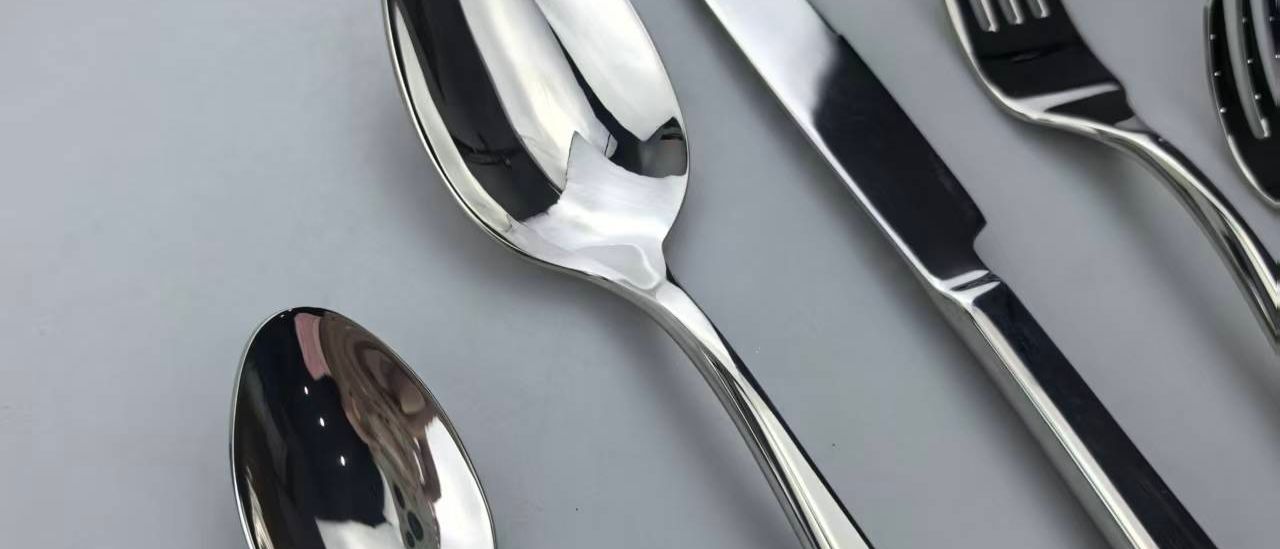
Does Stainless Steel Cutlery Cause Cancer? Debunking the Myth with Science
Is stainless steel cutlery linked to cancer? Learn the scientific truth behind the myth, understand the composition of food-grade 304 and 316 stainless steel, and discover why health authorities confirm it is safe for daily use.
If you have ever searched online about stainless steel cookware or cutlery, you may have come across alarming headlines claiming that stainless steel causes cancer. These claims spread quickly on social media and some alternative health websites, causing many people to throw away their kitchen utensils in fear. But is there any truth behind the stainless steel cutlery cancer myth? In this article, we will examine the science, analyze the composition of stainless steel, and separate fact from fiction so you can use your flatware with confidence.
Where Did the Stainless Steel Cancer Myth Come From?
Like many health rumors, the idea that stainless steel causes cancer appears to have originated from a misunderstanding of metallurgy and chemistry. Some sources point to the presence of nickel and chromium in stainless steel — both metals that in certain forms can be toxic at high doses. However, the key detail that gets lost is that these metals are bound into a stable alloy that does not behave like pure nickel or chromium metal.
Online forums and social media posts often take scientific facts out of context. For example, the World Health Organization (WHO) has classified nickel compounds as carcinogenic when inhaled in industrial settings — this refers to nickel refinery dust and nickel subsulfide, not the nickel atoms locked inside a stainless steel alloy used for eating utensils. Unfortunately, these distinctions are often ignored in viral posts.
Understanding Stainless Steel Composition
To understand why the cancer myth is unfounded, you first need to know what stainless steel actually is. Stainless steel is an alloy — a mixture of metals — primarily composed of iron, with chromium and nickel added to improve corrosion resistance and durability.
304 Stainless Steel (18/8 or 18/10)
304 grade stainless steel contains approximately 18% chromium and 8-10% nickel. This is the most common food-grade stainless steel used for cutlery, cookware, and kitchen equipment worldwide. It is approved by food safety authorities including the FDA (USA), EFSA (EU), and GB standards (China) for direct food contact.
316 Stainless Steel
316 grade adds molybdenum (2-3%) to the alloy for even greater corrosion resistance, especially against chlorides and acids. It is commonly used in marine environments and medical implants — demonstrating its safety for prolonged contact with the human body.
430 Stainless Steel
430 grade contains about 17% chromium but little to no nickel. It is magnetic and less corrosion-resistant than 304, but still considered safe for food contact. It is often used in lower-cost cutlery.
Does Stainless Steel Leach Harmful Substances?
One of the biggest concerns driving the cancer myth is the fear that metals "leach" from stainless steel into food. Scientific studies have examined this question extensively.
Research consistently shows that stainless steel has extremely low migration rates of chromium and nickel — far below any safety thresholds. A study published in the Journal of Food Science found that the amount of nickel and chromium released from 304 stainless steel cookware during cooking was negligible, representing less than 1% of the typical dietary intake of these minerals.
The key factors that determine metal migration include:
- Food acidity: Highly acidic foods (like tomato sauce or lemon juice) may cause slightly higher migration, but still well within safe limits
- Temperature: Normal cooking temperatures do not significantly increase migration
- Duration of contact: Prolonged contact with food may show slightly elevated migration, but levels remain extremely low
- Surface damage: Scratched or pitted surfaces may release more metal ions, but even then, amounts are far below safety limits
What About Nickel Allergy?
It is true that about 10-15% of the population has some sensitivity to nickel, which can cause contact dermatitis (skin irritation). However, this is an allergic reaction, not cancer. For most people with nickel sensitivity, using stainless steel cutlery briefly during meals does not trigger a significant reaction. Those with severe nickel allergies can opt for nickel-free alternatives such as 430 stainless steel or titanium cutlery.
What Science Says: Official Position of Health Authorities
Major health and food safety organizations worldwide have reviewed the safety of stainless steel for food contact:
- U.S. Food and Drug Administration (FDA): Lists stainless steel as a generally recognized as safe (GRAS) material for food contact surfaces
- European Food Safety Authority (EFSA): Has established specific migration limits (SML) for chromium and nickel from food contact materials, which food-grade stainless steel comfortably meets
- World Health Organization (WHO): Does not classify food-grade stainless steel as carcinogenic; WHO/FAO Codex Alimentarius includes stainless steel in its list of approved food contact materials
- National Cancer Institute: Has not identified stainless steel cookware or cutlery as a cancer risk factor
- International Agency for Research on Cancer (IARC): Has not evaluated stainless steel as a whole for carcinogenicity — concerns relate only to specific nickel compounds in occupational inhalation scenarios
Real Cancer Risks in the Kitchen vs. The Myth
While stainless steel cutlery does not cause cancer, there are real kitchen-related cancer risks worth paying attention to:
Burning meat at high temperatures: Charred meat contains heterocyclic amines (HCAs) and polycyclic aromatic hydrocarbons (PAHs), classified as probable carcinogens.
Non-stick pan coatings (overheated): PTFE coatings above 260°C can release toxic fumes; PFOA (now largely banned) was linked to health risks.
Plastic containers in microwave: Some plastics can leach bisphenols and phthalates into food when heated.
Moldy food storage: Some molds produce aflatoxins, a known carcinogen.
Notice that stainless steel cutlery is not on this list. Switching from stainless steel to plastic or lower-grade alternatives could actually introduce new risks rather than reducing them.
How to Ensure Your Stainless Steel Cutlery Is Safe
If you want to be certain your cutlery is safe, follow these simple guidelines:
- Choose reputable brands and suppliers: Buy from established manufacturers like Glophee who use verified food-grade stainless steel (304 or 316 grade)
- Look for markings: Quality cutlery is typically stamped with "18/8", "18/10", "304", or "Stainless Steel"
- Avoid unknown low-cost imports: Extremely cheap cutlery may be made from 201 stainless steel or other low-grade materials that contain higher levels of manganese
- Replace damaged pieces: If cutlery is severely scratched, pitted, or rusted, replace it
- Clean properly: Wash cutlery before first use and maintain it according to manufacturer instructions
Frequently Asked Questions
Is stainless steel cutlery safe for daily use?
Yes. Food-grade stainless steel (304/316) has been used safely for decades in homes, restaurants, and hospitals worldwide. It is non-toxic, does not leach harmful amounts of metals, and is approved by global food safety authorities.
Can stainless steel cause cancer?
No. There is no scientific evidence linking food-grade stainless steel cutlery or cookware to cancer. The myth stems from confusion with industrial inhalation of certain nickel compounds, which does not apply to eating utensils.
Does stainless steel contain carcinogens?
Stainless steel contains chromium and nickel, which are bound within the alloy structure. In this form, they do not behave like carcinogenic compounds. Food-grade stainless steel is classified as safe for food contact by all major regulatory agencies.
Is it safe to cook acidic foods in stainless steel?
Yes. While acidic foods may cause slightly higher metal migration, the amounts are negligible and well within safety limits established by the FDA, EFSA, and other authorities.
What is the safest material for cutlery?
Food-grade stainless steel (304 or 316) is widely considered the safest and most practical material for cutlery. It is durable, non-reactive, easy to sterilize, and does not contain harmful coatings or additives.
Conclusion
The stainless steel cutlery cancer myth is exactly that — a myth. Food-grade stainless steel, particularly 304 (18/8 or 18/10) and 316 grades, has been thoroughly studied and deemed safe for food contact by health authorities worldwide. The metals in stainless steel are tightly bound within the alloy structure and do not pose a cancer risk under normal use conditions.
When choosing cutlery, your focus should be on selecting genuine food-grade stainless steel from reputable suppliers rather than worrying about unfounded health scares. Glophee offers high-quality 304 and 316 stainless steel cutlery that meets international food safety standards, giving you peace of mind with every meal.