
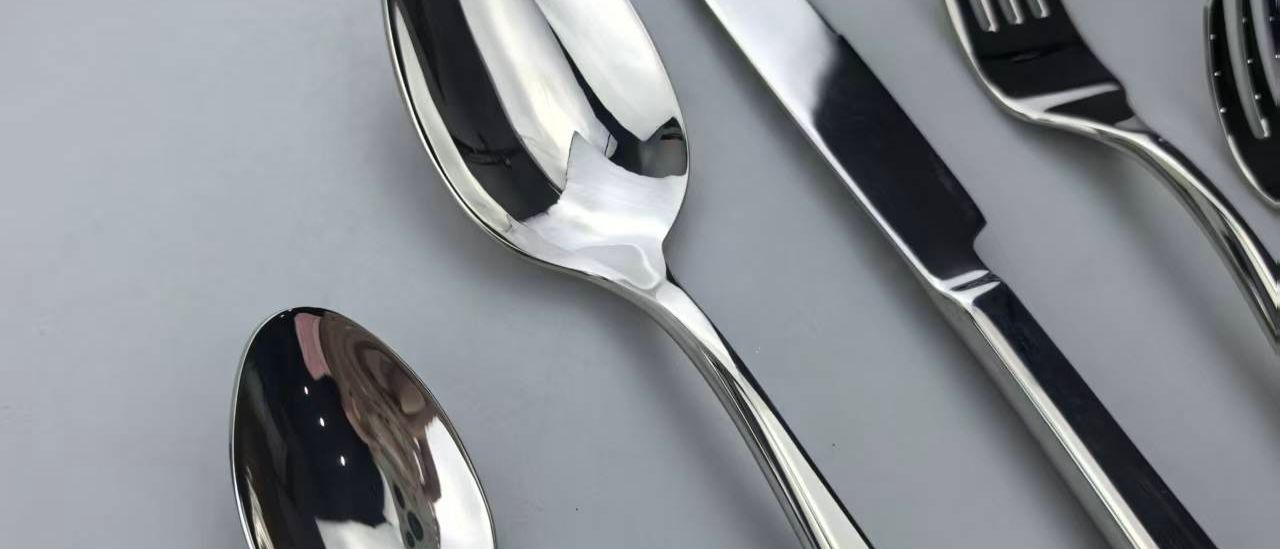
304 vs 316 Stainless Steel: Which Food Grade Is Right for Your Cutlery?
Comparing 304 and 316 food-grade stainless steel for cutlery: composition, corrosion resistance, food safety, and cost. A practical guide for choosing the right grade for your needs.
304 vs. 316 Stainless Steel: What Is the Difference?
When sourcing stainless steel cutlery for your hotel, restaurant, or home, you will frequently encounter two grades: 304 and 316. Both are austenitic stainless steels belonging to the 300 series, but they differ in composition, corrosion resistance, and cost. Understanding these differences is essential for choosing the right material for your specific application.
Both 304 and 316 are widely considered food-grade stainless steel, meaning they are safe for contact with food. However, 316 contains an additional element — molybdenum — that gives it superior resistance to chlorides and acidic environments. This article breaks down everything you need to know to make an informed purchasing decision.
Chemical Composition: What Makes Them Different?
The key difference lies in their alloy composition:
- 304 Stainless Steel (18/8 or 18/10): Contains approximately 18% chromium and 8–10% nickel. It offers good corrosion resistance and is the most common grade for cutlery worldwide.
- 316 Stainless Steel (18/10/2): Contains approximately 16–18% chromium, 10–14% nickel, and 2–3% molybdenum. The addition of molybdenum significantly enhances resistance to pitting and crevice corrosion, especially in chloride-rich environments.
This molybdenum addition is what sets 316 apart. While 304 provides excellent protection against rust in standard conditions, 316 was specifically developed for marine and industrial environments where exposure to salt, acidic foods, or harsh cleaning chemicals is routine.
Corrosion Resistance: When Does 316 Matter?
Both grades resist corrosion well, but their performance diverges in specific environments:
304 Stainless Steel
- Excellent for standard kitchen and dining environments
- Resists oxidation up to 870°C (brief exposure)
- May show pitting in salty or highly acidic conditions over time
- Suitable for household use, restaurants, hotels, and catering
316 Stainless Steel
- Superior resistance to chlorides (salt, bleach, seawater)
- Performs well in coastal areas or marine environments
- Withstands acidic foods like citrus, tomatoes, and vinegar better over extended contact
- Ideal for commercial kitchens, cruise ships, seafood restaurants, and hospitals
In practical terms, if your cutlery is used and washed promptly (as in most dining settings), 304 performs admirably. However, if utensils are left soaking in salty or acidic solutions for extended periods, or used in coastal environments with salt-laden air, 316 offers meaningful longevity advantages.
Food Safety: Are Both Food Grade?
Yes — both 304 and 316 are food-grade stainless steel. They meet international food contact safety standards including:
- FDA (U.S. Food and Drug Administration) requirements
- EU Regulation 1935/2004 for food contact materials
- GB 4806.9-2016 (China national food safety standard for stainless steel)
The term "food grade" does not distinguish between 304 and 316; it simply confirms the material does not leach harmful substances into food under normal use conditions. In fact, both grades have a long track record of safe use in the food industry — from cutlery and cookware to food processing equipment.
Neither grade contains heavy metals like lead or cadmium. The chromium and nickel are tightly bound within the steel's crystalline structure, making migration into food negligible when the material is properly manufactured and maintained.
Appearance and Feel: Can You Tell Them Apart?
To the naked eye, 304 and 316 cutlery look nearly identical. Both can be polished to a mirror finish, brushed to a matte surface, or treated with PVD coating for colored effects. The weight, thickness, and handle design depend more on manufacturing quality than the steel grade itself.
However, there is a simple field test: molybdenum spot testing. A chemical test solution changes color when applied to 316 steel due to the presence of molybdenum, while 304 remains unchanged. This is a reliable way to verify your supplier's claims.
Cost Comparison: Is 316 Worth the Premium?
316 stainless steel typically costs 30–50% more than 304 due to the added molybdenum and higher nickel content. Whether this premium is justified depends on your use case:
The vast majority of commercial cutlery worldwide uses 304 stainless steel, and for good reason: it is reliable, safe, and affordable. Consider 316 only when your operating environment specifically demands it — coastal venues, marine applications, or settings with harsh chemical sanitation.
How to Verify Your Cutlery Grade
When sourcing from a manufacturer or supplier, consider these verification methods:
- Request material certificates: Reputable suppliers provide mill test certificates verifying the steel grade
- Check markings: Some cutlery is stamped with "304", "18/8", "18/10", or "316" on the handle
- Molybdenum test: Use a commercial stainless steel testing kit for definitive identification
- Supplier reputation: Work with established manufacturers who have transparent sourcing practices
At Glophee, all our stainless steel flatware is manufactured using food-grade 304 stainless steel (18/10 grade), ensuring excellent durability, corrosion resistance, and safety for daily professional use. We provide material documentation upon request for bulk orders.
Summary: Which Should You Choose?
- Choose 304 stainless steel for most dining applications — homes, hotels, restaurants, and catering. It offers the best balance of performance, safety, and cost.
- Choose 316 stainless steel for coastal environments, marine applications, or settings with prolonged exposure to acidic or chlorinated conditions.
The vast majority of commercial cutlery worldwide uses 304 stainless steel, and for good reason: it is reliable, safe, and affordable. Upgrading to 316 is rarely necessary unless your specific operating environment demands it.
Frequently Asked Questions
Is 304 stainless steel safe for food?
Yes. 304 is the most widely used food-grade stainless steel globally. It meets FDA, EU, and Chinese food safety standards and is used in everything from cutlery to surgical instruments.
Can 316 stainless steel rust?
While 316 is highly corrosion-resistant, no stainless steel is completely rust-proof. Under extreme conditions (prolonged saltwater immersion, strong acids), 316 may eventually show surface discoloration, but it resists far longer than 304.
Is 18/10 the same as 316?
No. 18/10 refers to 18% chromium and 10% nickel, which is a premium specification of 304 stainless steel. 316 contains additional molybdenum (2–3%) that 18/10 does not have.
Does 316 stainless steel contain nickel?
Yes. 316 contains 10–14% nickel, similar to 304. If you require nickel-free cutlery due to allergies, look for 400-series stainless steel or alternative materials.
Can you put 316 cutlery in the dishwasher?
Yes. Both 304 and 316 are dishwasher safe. However, harsh detergents and high heat may eventually dull the surface finish over many years.