
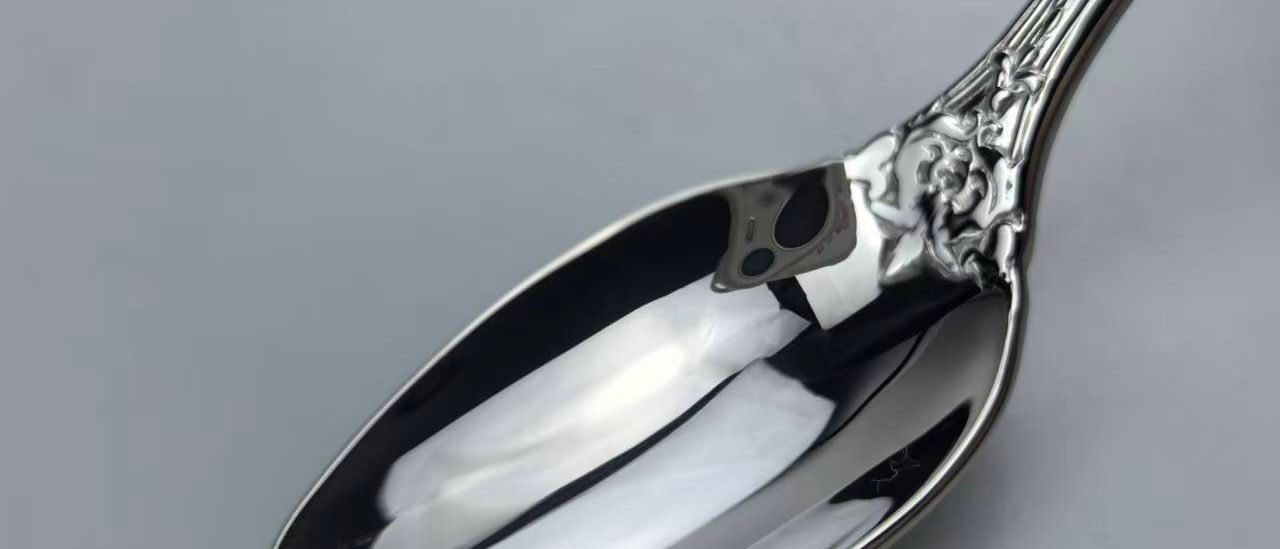
How to Choose Safe Stainless Steel Cutlery for Babies and Kids
A complete guide to choosing safe stainless steel cutlery for babies and toddlers: material safety, edge design, grip, cleaning tips, and which grade is best for children.
Why Choosing the Right Kids Cutlery Matters
When it comes to feeding your child, the utensils you choose matter more than you might think. Babies and toddlers put everything in their mouths, so the material safety, edge design, weight, and ease of gripping all play a critical role in both safety and healthy eating habits.
Walk down any baby aisle and you will see cutlery made from plastic, silicone, bamboo, stainless steel, and ceramic. Each material has its pros and cons, but stainless steel stands out for its durability, non-toxic nature, and long-term value. The key is choosing the right grade of stainless steel and the right design for little hands.
This guide covers everything parents need to know about selecting safe, durable, and kid-friendly stainless steel cutlery.
What Is the Safest Material for Kids Cutlery?
Safety starts with the material. Here is a quick comparison of common children cutlery materials:
- Plastic — Lightweight and inexpensive, but may contain BPA, phthalates, or other chemicals. It can also harbor bacteria in scratches and degrades over time with heat and dishwashing.
- Silicone — Soft and gentle on gums, but not very durable. It can stain easily and offers no chewing resistance for teething toddlers.
- Bamboo — Natural and eco-friendly, but porous — it absorbs moisture and bacteria easily. Not suitable for long-term use without careful maintenance.
- Ceramic — Non-reactive and easy to clean, but brittle. A drop on a hard floor can shatter it into sharp pieces.
- Stainless Steel — Non-toxic, non-reactive, extremely durable, and can withstand boiling water and dishwasher cycles. It is the preferred material for food safety experts and pediatricians when recommending kids utensils.
Among stainless steel options, food-grade 304 (18/10 or 18/8) stainless steel is the safest choice for children. It contains no harmful coatings, does not leach chemicals into food, and resists rust even after thousands of washes.
Key Design Features for Baby and Kids Cutlery
Rounded Edges — No Sharp Points
The most important safety feature of any children fork or spoon is rounded edges. Unlike adult flatware that often has pointed tines, kids cutlery should have smooth, rounded tips that cannot poke delicate gums or throats. Always check the edges with your finger before buying.
Easy-Grip Handles
Toddlers have developing fine motor skills. Handles that are too thin or too slippery can frustrate them and cause messes. Look for cutlery with:
- Contoured ergonomic handles designed for small hands
- Textured or weighted handles for better grip
- A size proportionate to the child age group (typically 12–14 cm for toddlers)
Lightweight Yet Sturdy Build
Children cutlery should be light enough for a toddler to lift easily, but sturdy enough to handle the occasional drop. Stainless steel kids cutlery with a solid one-piece construction offers the best balance — it will not break like plastic or ceramic, and it provides just enough weight for the child to feel in control.
Heat Resistance
Young children eat slowly. Their food often cools down before they finish, so parents frequently reheat or add warm food. Stainless steel does not warp, melt, or release chemicals when exposed to hot food or boiling water, unlike plastic or silicone alternatives.
Cleaning and Sterilizing Kids Stainless Steel Cutlery
One major advantage of stainless steel is how easy it is to clean and sterilize:
- Dishwasher safe — Most 304 stainless steel kids cutlery can go in the top rack of a dishwasher without damage.
- Boiling water sterilization — Drop the utensils in boiling water for 2–3 minutes to kill germs. Stainless steel handles this without any deformation.
- No staining — Unlike silicone or plastic, stainless steel does not absorb food colors or odors.
- Non-porous surface — Bacteria cannot hide in microscopic pits on well-polished 304 stainless steel, making it more hygienic than bamboo or plastic.
Tip: Always dry stainless steel kids cutlery immediately after washing to maintain its shine and prevent any water spot marks.
Which Stainless Steel Grade Is Best for Kids?
For children, the recommended grade is 304 stainless steel (also known as 18/8 or 18/10). Here is why:
- 304 (18/10) — The best choice for kids. Contains 18% chromium and 10% nickel for superior corrosion resistance, a mirror-like finish, and zero risk of metal leaching into food.
- 304 (18/8) — Excellent alternative. Very similar to 18/10 in performance, slightly lower nickel content but still completely food-safe.
- 430 (18/0) — Budget option. Lacks nickel, so it is less rust-resistant. Can be used for kids, but requires more careful drying and maintenance.
- 201 stainless steel — Not recommended for children. Contains manganese as a nickel substitute, which may pose health risks with prolonged food contact. It is also more prone to rust.
At What Age Can Children Use Stainless Steel Cutlery?
Most experts recommend introducing stainless steel cutlery around 12–18 months, when the child starts self-feeding. Start with a soft-tipped spoon for younger babies and transition to full stainless steel utensils as the child develops more control.
By age 2–3, most children can handle a fork and spoon set made of lightweight 304 stainless steel. By age 4–5, they can often use a child-sized knife for soft foods under supervision.
Frequently Asked Questions
Q: Is stainless steel cutlery safe for teething babies?
A: Yes, but look for cutlery with rounded, smooth edges. Some brands offer silicone-tipped spoons for younger babies that combine stainless steel handles with soft silicone heads.
Q: Can kids stainless steel cutlery go in the dishwasher?
A: Yes, most 304-grade kids cutlery is dishwasher safe. Place it in the top rack to avoid direct heat from the heating element.
Q: How often should I replace kids stainless steel cutlery?
A: High-quality 304 stainless steel cutlery can last for years with proper care. Replace if you notice any rust spots, sharp edges, or deformation.
Q: Is stainless steel too heavy for toddlers?
A: Not if you choose the right product. Quality kids stainless steel cutlery is designed with the appropriate weight and balance for little hands. It is usually heavier than plastic but lighter than ceramic.
Conclusion
Choosing safe, durable cutlery for your child is one of those small decisions that makes a big difference in daily life. 304 stainless steel (18/10 or 18/8) offers the best combination of safety, durability, and ease of cleaning for children of all ages.
Look for rounded edges, ergonomic handles, and lightweight construction. Avoid cheap stainless steel grades like 201 or unknown brands that may cut corners on material quality.
Ready to find the perfect kids cutlery set? Browse our collection of child-friendly 304 stainless steel flatware designed with safety and comfort in mind.